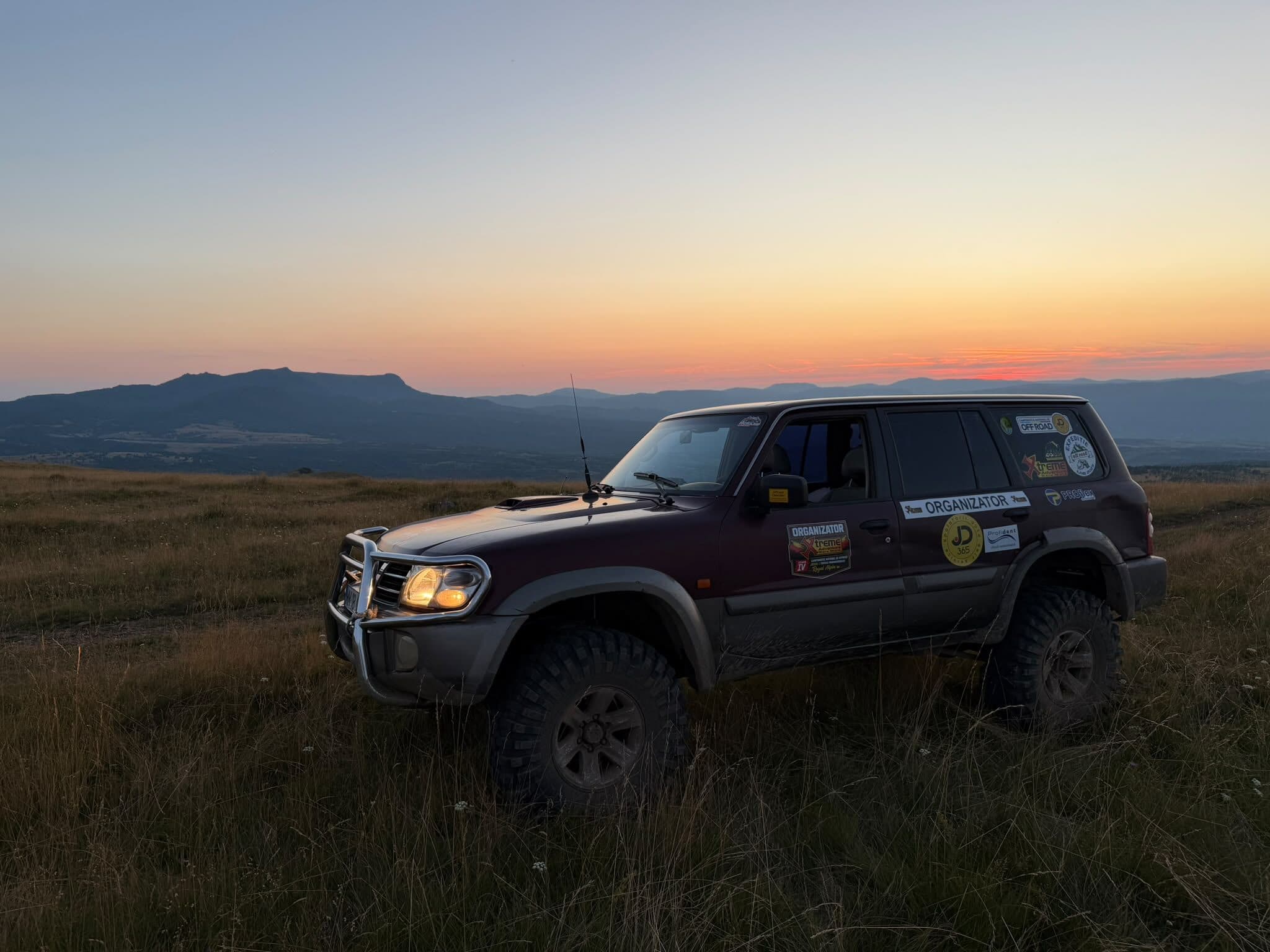
Responsible access
to nature.
We support a clear legal framework for access on forest roads: protected nature, enforced rules and respect for everyone who uses them.
Who supports us





NGO, association, sports club or company — institutional support gives the petition weight.
We have spectacular mountains and one of the most extensive forest road networks in Europe.
We're missing just one thing: clear rules.
Forest roads are used every day, legally, by locals, forestry staff, rescuers, researchers and tourists. Current legislation, however, doesn't distinguish between responsible use and abuse, and without clear criteria, everyone loses: nature, communities and people acting in good faith.
We do not support unlimited access. We propose a predictable framework, built together with forest fund administrators, in which abuse is firmly sanctioned and responsible access has a clear, legal place.
Law no. 331/2024 — the Forestry Code, art. 58.
Current law sets a general ban on public motorized access in the national forest fund and provides specific exceptions. We believe the framework can be completed with distinct, controllable and transparent mechanisms for individual recreational access and athletes' training. We do not ask for free and unlimited access. We ask for rules under which responsible access can exist only where compatible with forest protection.
1 · General rule · para. (7)
Public access in the national forest fund with self-propelled vehicles or animal traction is prohibited.
2 · Organized events · para. (8)
Sports, utility, recreational and tourism events may be organized only with a designated organizer, outside protected natural areas, on specially marked trails and with the consent of the administrator of publicly owned land or the owner, as applicable.
3 · Transit · para. (9)
Vehicle access may be permitted on forest roads for transit, under conditions set by the owner/administrator, where the roads serve tourist, utility or recreational objectives and access does not endanger the integrity of the national forest fund.
Explanatory summary of art. 58 paras. (7)–(9), not a full reproduction of the statute.
Current
Current: paragraph (7) sets the general ban, while paragraphs (8) and (9) provide exceptions for organized events and, respectively, transit under owner/administrator conditions.
Proposed
Proposed: after paragraph (9), complete art. 58 with paragraphs allowing, only on designated trails and outside areas where environmental rules prohibit access, (a) training by licensed athletes and (b) individual recreational/tourism access, based on consent from the owner/administrator identified through a public registry and public conditions on authorization, periods, capacity, vehicle categories, monitoring and sanctions.
Effect
Effect: the ban in paragraph (7) remains the rule. The proposal does not create free access, authorize off-road driving, or itself establish a permit or fee; those would require a distinct legal basis and rules.
A general ban, with limited exceptions
Paragraph (7) prohibits public motorized access. Paragraph (8) covers events with a designated organizer, while paragraph (9) concerns transit under owner/administrator conditions. The existence of a forest road does not automatically mean that the public may drive on it. Nor does an individual recreational outing automatically become lawful simply because it is not a competition; the specific road, land and access regime still have to be checked.
No distinct individual mechanism
The current text does not establish a public, predictable and uniform system for designating trails and authorizing individual recreational access or training by licensed athletes.
Environmental rules still apply
Nothing proposed would open protected natural areas or allow access outside designated trails. Owners, administrators and protection regimes may continue to impose restrictions. The assessment should cover risk periods, forestry works, strictly protected areas, weather conditions and habitat impact. Nature protection is a starting condition for any access, not a step added afterwards.
Preliminary legislative proposal: complete art. 58 with designated trails, verifiable consent, authorization, limits, monitoring and sanctions.
See the proposed modelOrganized motorsport shows that regulation works.
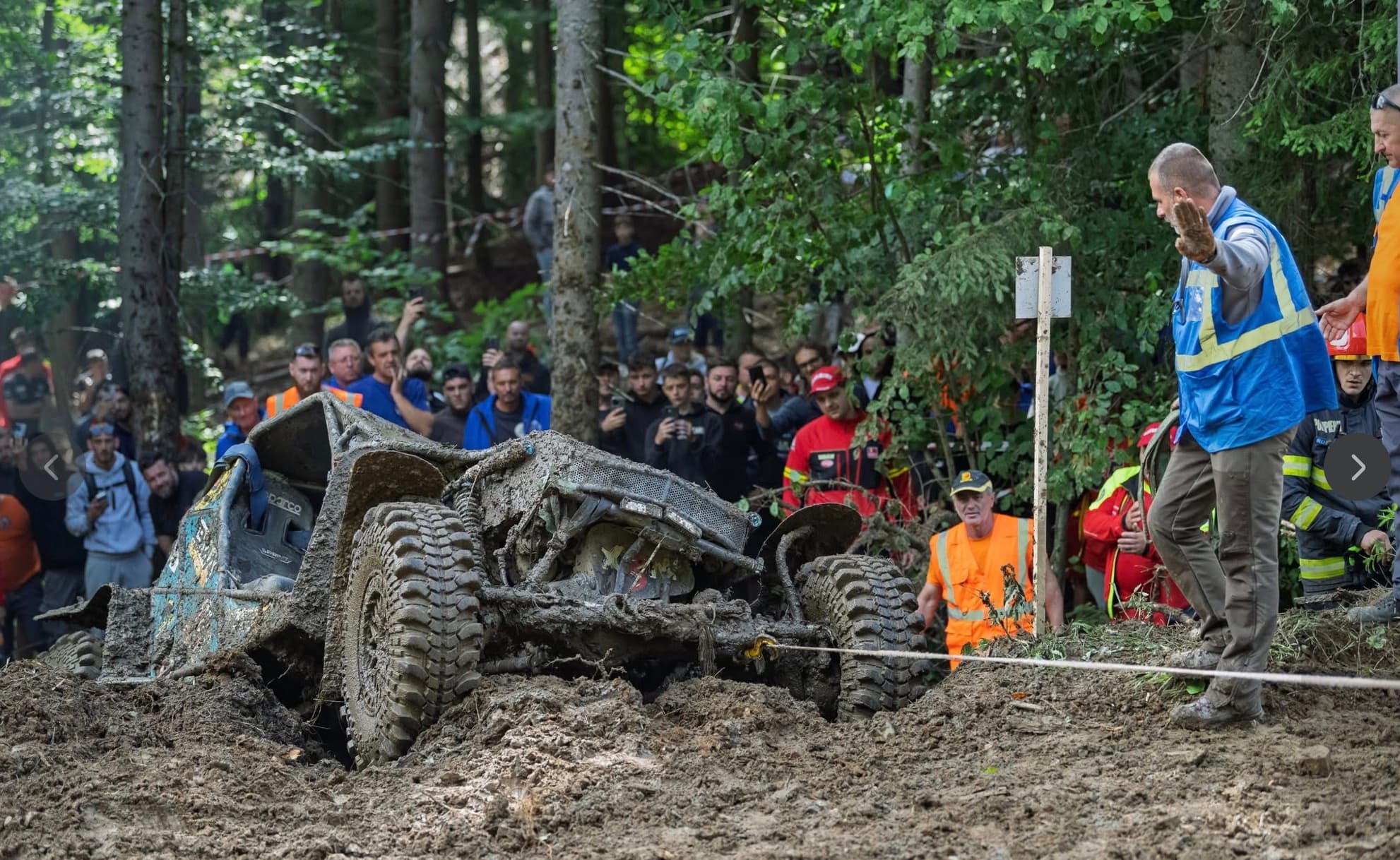
The National Off-Road Championship lines up FRAS-licensed 4x4 crews, both Romanian and international, stage after stage — drivers and co-drivers who compete internationally — making it one of the most prestigious off-road competitions in Europe, while Sibiu hosts Red Bull Romaniacs, the toughest hard enduro in the world.
Art. 58 para. (8) already recognizes organized sporting events, under the conditions set by law. We believe a separate mechanism is needed for the training of licensed athletes outside competitions.
The year Romania became the first and only country in Europe to officially recognize offroad as a sport
Champions with no training ground.
Organized sporting events are covered by the exception in art. 58 para. (8). For the individual training of licensed athletes, we believe the current framework does not offer a distinct, sufficiently predictable mechanism.
No legal training space
We propose designated training trails, accessible only to licensed athletes, with the owner's/administrator's consent, rules, monitoring and sanctions. We are not claiming that all training today is automatically illegal; we are saying a distinct, predictable procedure is missing.
Designated training trails
Clear locations, with strict rules and monitoring, away from protected areas — established together with forest administrators. Order in nature's interest, not against it.
Volunteers with four-wheel drive.
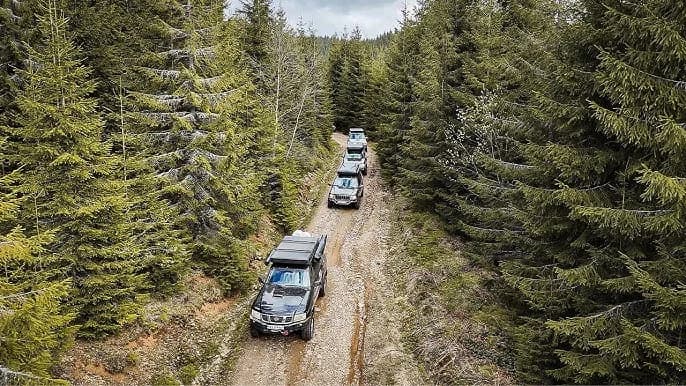
Outdoor communities don't just use forest roads — they help care for them and keep them safe. They plant trees, clean up litter, respond to vegetation fires and take part in search operations at the request of authorities: where fire trucks can't climb, 4x4 vehicles get through.
Reforestation and clean-ups
They volunteer for sapling plantings and haul out litter left behind by others, using their own vehicles and their own money.
Support for ISU
They are called on to respond with 4x4s to vegetation fires: carrying crews, water and equipment where fire trucks cannot reach.
Search and rescue
People lost or injured in the mountains: 4x4 communities reach rough terrain alongside Salvamont and the authorities.
Humanitarian aid
They deliver supplies, medicine and aid to isolated villages in winter, on roads impassable for ordinary vehicles.
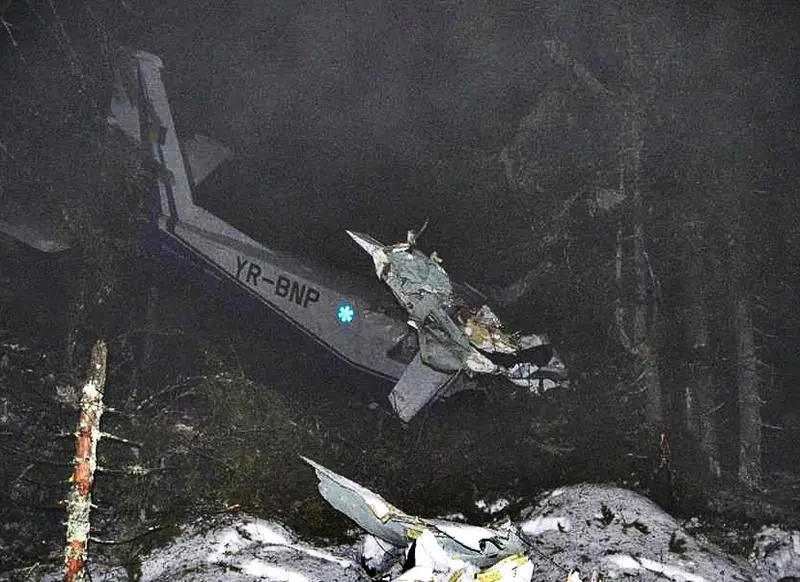
4x4 communities are a real resource.
A plane carrying a medical team crashed at 1,600 meters, near Petreasa (Horea commune). Authorities were unable to locate the wreckage, and the helicopter could not fly due to fog.
After several hours of searching, the wreckage was found by locals together with the area's off-road community, who knew the forest roads in detail. The lesson: on rough terrain, 4x4 communities are a real resource for response efforts, alongside the authorities.
access depends on the specific legal regime of the land, the consents the law requires, and any applicable restrictions. That's why we're asking for verifiable rules, not a promise of automatic access.
What we oppose. What we support.
The greatest damage doesn't come from responsible access, but from illegal activities and chaotic behavior. We condemn them firmly and call for exactly their opposite.
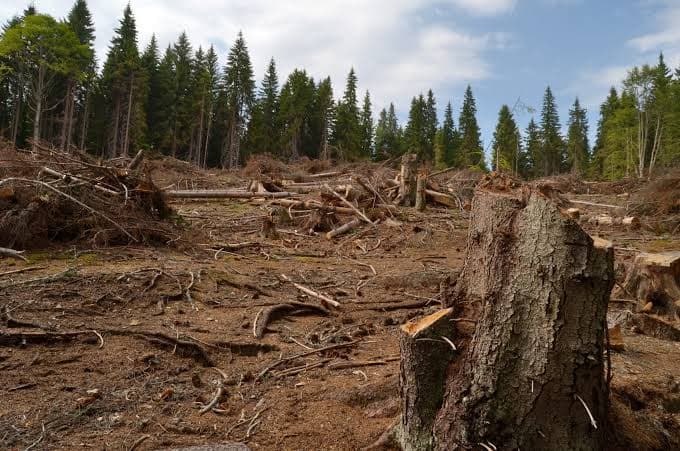
What illegality leaves behind.
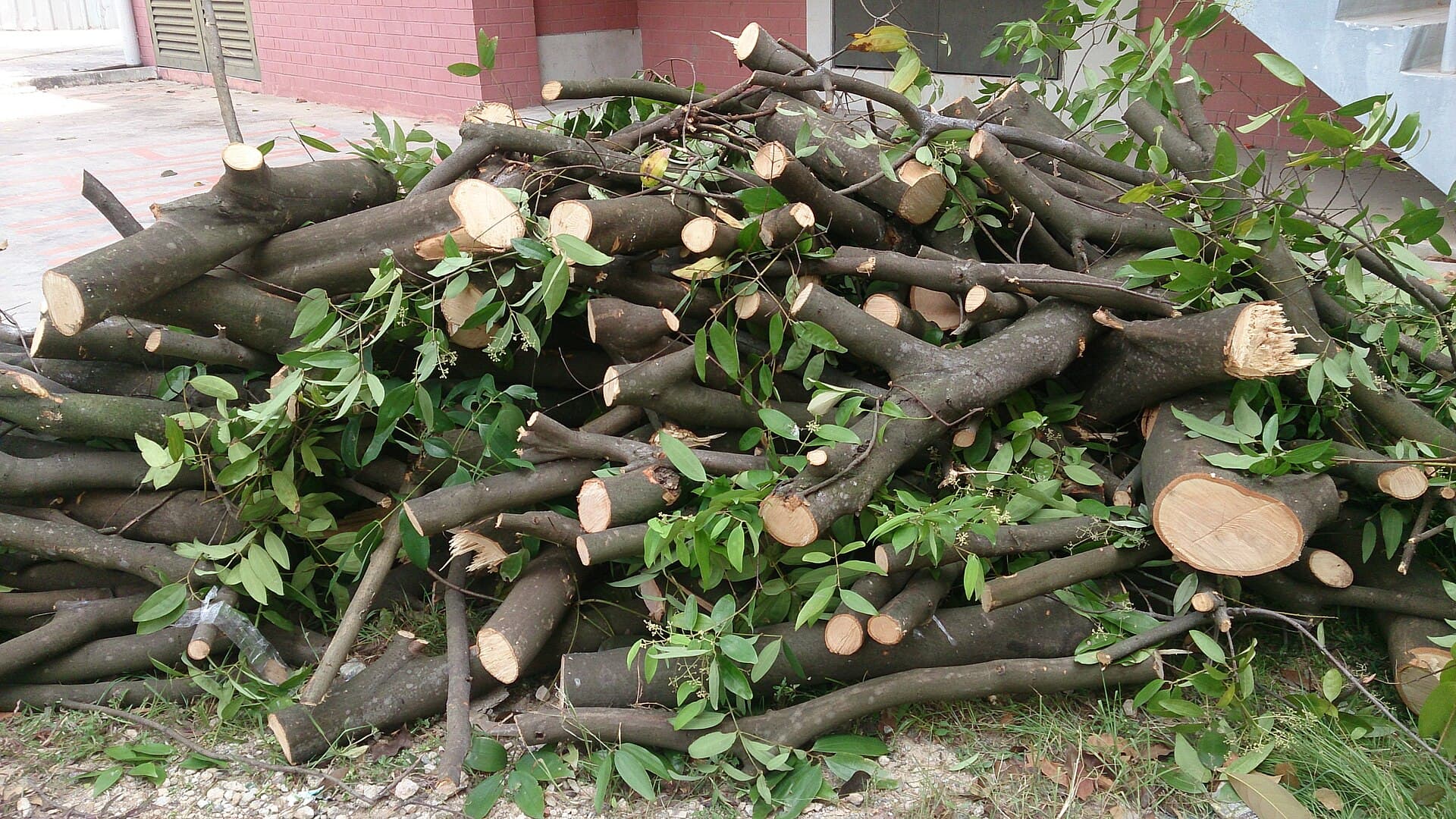
It's not responsible access that destroys Romania's forests. Illegal logging, poaching and litter do.
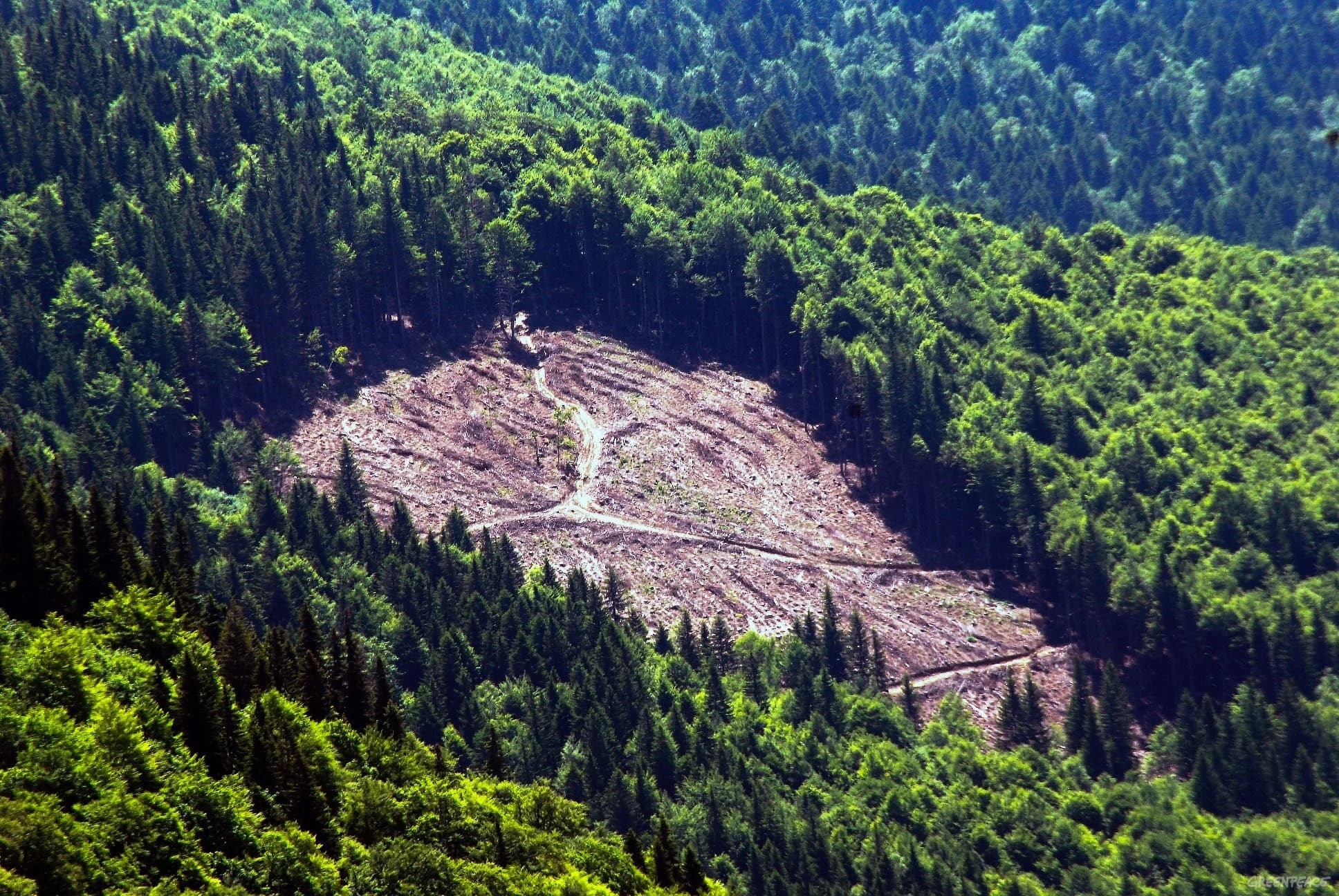
Illegal logging
Independent estimates put illegal logging at around 20 million cubic meters of timber every year.
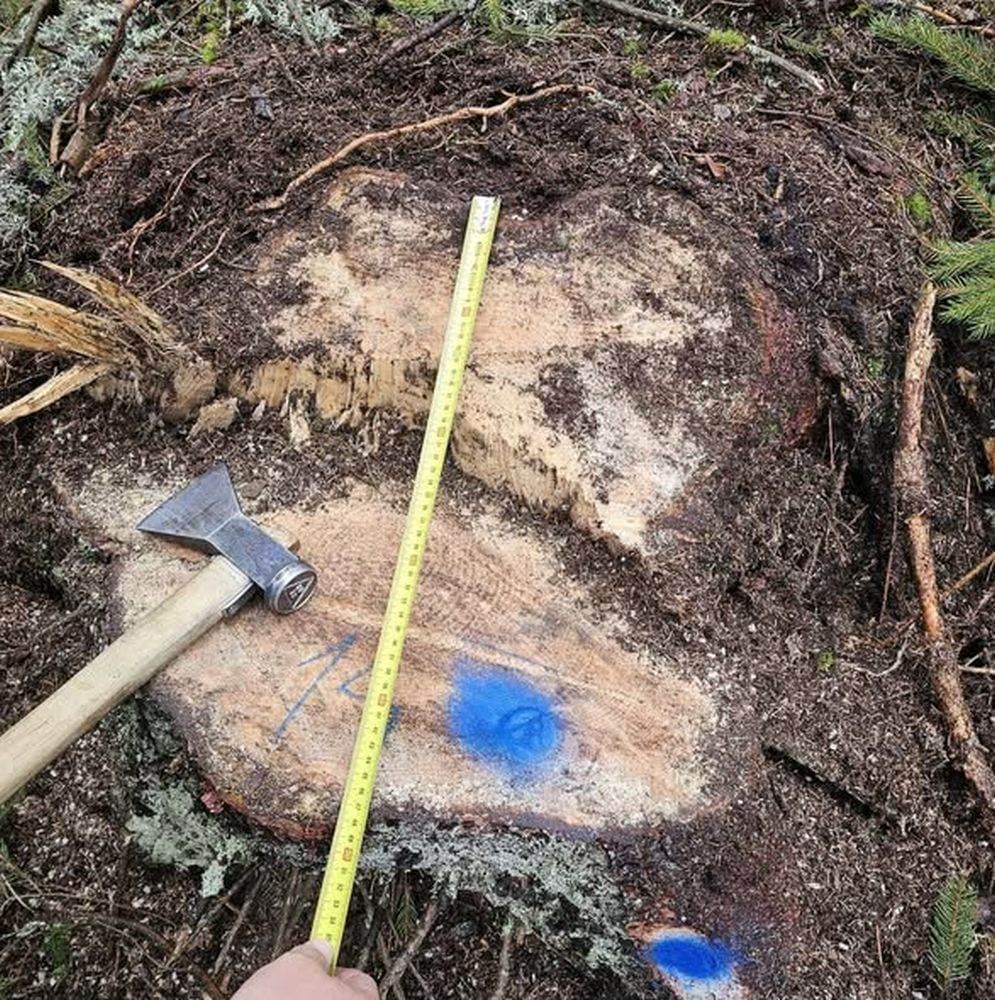
Destroyed habitat
Romania holds roughly two-thirds of the EU's remaining old-growth forests, and is losing them piece by piece.
No consequences
Forestry staff enforcing the law are exposed to assault, and sanctions are rarely enforced. Abuse often goes unpunished.
To environmental organizations: we're on the same side.
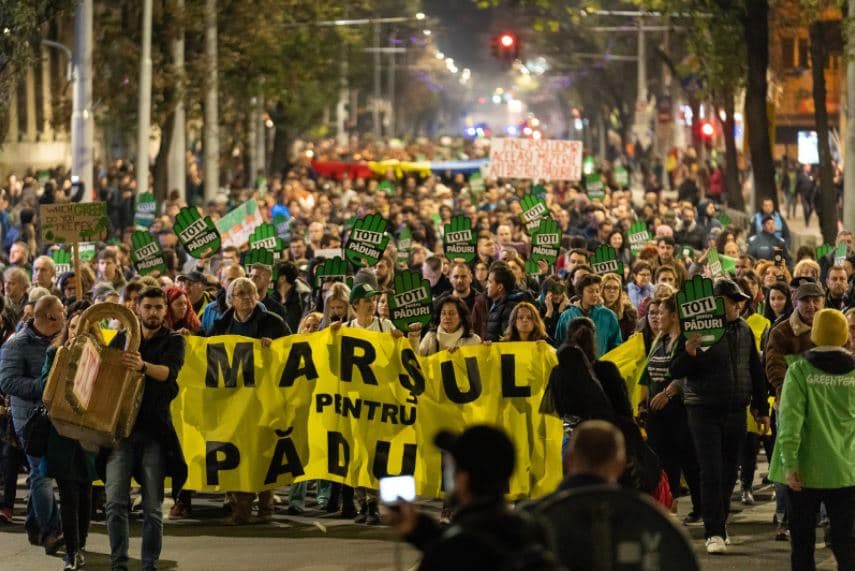
We share the same priorities and the same goal: living forests, protected by enforced rules. The outdoor community means thousands of eyes on forest roads — monitored access means abuse gets seen and reported.
Why is change needed?
The current framework doesn't cover every situation
Art. 58 regulates the ban and certain exceptions, but offers no distinct mechanism for individual recreational access and the training of licensed athletes.
Responsible people are punished alongside irresponsible ones
Our proposal does not replace the general ban; it would remain the rule, and additional access would exist only under strict, verifiable conditions.
There's no clear distinction between legal access and abuse
We need designated trails, public rules and monitoring to tell authorized use apart from breaking the rules.
Elite athletes have no legal training ground
Organized competitions fall under the conditions of art. 58 para. (8). We propose a separate mechanism for the training of licensed athletes, outside competitions.
The principles that guide us
Respect for nature
Nature comes first. Every decision starts from protecting ecosystems.
Leave no trace
Leave No Trace. We take back everything we bring, and leave places as we found them.
Responsible access
Access where it's appropriate, with clear rules and individual responsibility.
Education before restrictions
Informed people protect nature. Education changes behavior — not just prohibition.
Myth vs. reality
"We want unlimited access, everywhere."
We support regulated access, only where it's appropriate.
"Offroading destroys all forests."
The greatest damage comes from illegal activities, not from responsible access.
"Regulation means more destruction."
Since 2010, the rules have made environmental protection a real priority.
A controlled model, not free access.
A proposed flow: clearly identifying the owner/administrator, a designated trail, legal and environmental review, public rules, authorization if the law establishes it, monitoring and sanctions.
Licensed athletes only
Proposal: licensed athletes, on designated trails, with the owner's/administrator's consent, rules, monitoring and accountability for violations.
Transit under the law's conditions
Art. 58 para. (9) allows transit only under conditions set by the owner/administrator and in compliance with legal requirements. A permit or fee is only a legislative proposal, not an existing right and not an automatic town-hall tax.
Tough sanctions for illegal access
Protected natural areas and restricted zones remain subject to their legal regime. Access off designated trails or in breach of the rules remains prohibited and punishable by law.
What we propose
A balanced framework that protects nature and offers clarity to everyone, from families and photographers to elite athletes.
Clear legal definition of accessible forest roads
Transparent criteria and a public registry: you know exactly where you're allowed to go and under what conditions.
Protected areas stay protected
Sensitive natural areas and reserves are not opened up — their protection remains untouchable.
Strict sanctions for illegal offroading
Real penalties for those who damage nature, enforced wherever abuse occurs.
Approved trails for sport and competition
Events remain subject to art. 58 para. (8). For training, we propose a separate mechanism for licensed athletes, on designated and monitored trails; for transit, any permit or fee would need its own distinct legal basis.
Cooperation between authorities and off-road communities
Owners/administrators set the conditions within the limits of the law. Any future registry, permit or fee would need to be created through clear rules, with the competent authority identified — not assumed to be an automatic town-hall duty.
Education programs
Campaigns and guides that build a culture of respect for nature.
How your signature reaches the law.
The online petition supports completing art. 58 of the Forestry Code with a controlled mechanism for training and individual recreational access, without removing the general ban.
The online petition
We gather voices — individuals, NGOs, clubs, companies — and file the petition officially with Parliament and the relevant ministries, under GO 27/2002. Institutions are required to register it and respond.
Parliamentary dialogue
We ask members of Parliament to examine the preliminary proposal to complete art. 58 and submit it for review by the relevant committees.
Citizens' legislative initiative
If Parliament doesn't act, we activate Law 189/1999: 100,000 handwritten signatures, with national ID numbers, from at least a quarter of the counties. The community being built now, county by county, makes this step possible.
Your online signature is the foundation for every other stage — and if you check the box in the form, we'll also invite you to the official paper lists.
Latest stories

Ne transformă o plimbare prin pădure în infractori?
Susținem un comportament civilizat în pădure, un cadru legal pentru sportivii licențiați CNOR și FRAS care au nevoie să se antreneze, precum și dezvoltarea unui sistem de overlanding turistic reglementat, prin autorizare sau taxare locală.

Ce spune, de fapt, articolul 58 din Codul Silvic
Legea care reglementează accesul pe drumurile forestiere lasă fără răspuns cazul individului — sportiv legitimat sau turist responsabil. De aici pornește tot — și tot aici propunem soluția.
What you need to know
It means motorized access only on suitable forest and mountain roads, under clear conditions, with respect for nature and other users. We do not support free access, everywhere.
Romania can have better rules. It starts with your signature.
Every signature supports public dialogue on completing art. 58 of the Forestry Code, together with a preliminary legislative proposal.